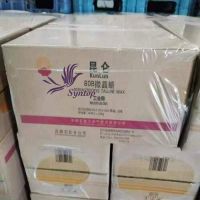

 Нажмите, чтобы увеличить

Вязкость и контроль потока: Это самая основная функция микрокристаллического воска. Как состав...Средство с наименьшей вязкостью в составе эффективно снижает вязкость горячей адгезионной смолы в ее расплавленном состоянии и улучшает ее пластичность, что позволяет адгезионной смоле лучше пропитывать и проникать в поверхность подложек, тем самым повышая эффективность работы.Необходимо выполнить перевод текста на русскую латиницу.
Увеличение гибкости и устойчивости к воздействиям: по сравнению с парафином, микрокристаллический воск имеет более тонкую кристаллическую структуру благодаря своей более высокой коПрисутствие углеводородов с разветвленной цепью и нафтенов способствует улучшению гибкости, прочности на изгиб и других характеристик.Необходимость использования горячекатывающих адгезивов, что очень важно для упаковки или книжного дела, где необходимо выдерживать определенный степень деформации.