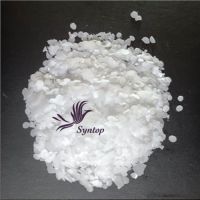
high-temperature أولاً، أن مقاومتها الممتازة للحرارة ومقاومة تشحيمها تمكنها من تكوين استقرار., (أ) خلال الفيلم أثناء حقن عالي درجة الحرارة في شكل أو موت صب، مما يقلل من الاحتكاك بين القالب والمواد المصوغة، ويمنع اللصق، و, ثانياً، إن خواصها الجيدة في التصاقها وتشكيلها للأفلام تضمن تغطية موحدة لسطح القالب، وتوفر, وبالإضافة إلى ذلك، فإن قوة هلامها العالية ومقاومة صدعها يساعدان على الحفاظ على, (ج) السلامة الهيكلية أثناء الدورات الحرارية المتكررة، مع تمديد عمر الخدمة في العداد. film-formingوفي التطبيقات العملية، يستخدم شمع الخيط الخزفي الخفيف عادة كمنتج نقي أو في شكل مركب: على سبيل المثال، في القالب المطاطي أو البلاستيكي،, ويمكن أن تعمل مباشرة كعامل إطلاق أو أن تخلط مع شمع بارافين لتعزيز مرونة هذا الأخير؛ وفي معدن يتوفى الطرح، تزييته., :: الحد من العيوب السطحية وتحسين الانتهاء من الإنتاج.

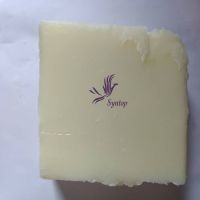

 الصورة الكبيرة